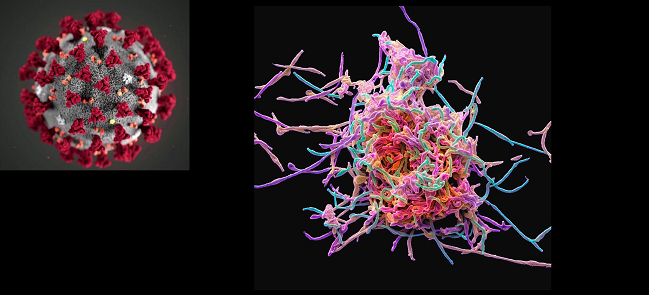
2023 update: This is another password protected post from May of 2020. We were actually forward thinking that maybe Covid-19 could be made worse by mycoplasma coinfections. A PubMed search on Mollicute and Coivd-19 reveals as much. Some day we should look at Cu(I)NA2 as an antibacterial for these cell wall lacking bacteria. In some ways this post to our founder who had this hunch.
Corona Viruses, Kawasaki’s Disease, and Children
Tang (2004) performed a PCR survey of pediatric cases of Kawasaki syndrome in Taiwan. RNA and DNA was extracted from throat swabs, and nasopharyngeal swabs. Nucleic acid sequences to identify the pathogens were amplified using PCR primers for enterovirus, adenovirus, influenza B, rhinovirus, metapneumovirus, and coronavirus. These authors found that children with Kawasaki’s syndrome were more likely to to have infections with common respiratory viruses [1].
Tables 3 and 5 are from ref [1]. The heart diagram is from an AHA site that has an excellent overview of Kawasaki’s syndrome and treatment.
COVID-19 and Mollicutes
Mollicutes is the new term for bacteria, formerly called mycoplasmas, that lack cell walls. Garth Nicolson, PhD and Gonzalo Ferreira de Mattos, MD, PhD and published a recent hypothesis paper proposing that COVID-19 deaths are due to coinfection with Mycoplasma pnuemoniae and related species of pathogenic bacteria [2].
Pneumonia is and inflammation of the aveoli of the lung that is generally caused by viral or bacterial infections. Fungi and parasites may also cause pneumonia.
CDC page on Mycoplasma pneumoniae is a good resource. Because these bacteria lack cell walls, therefore, β-lactam antibiotics, of which Penicillin is one, are of little use. Macrolides are commonly prescribed to children and adults with Mycoplasma infections. The CDC reports resistance as high as 90% in Asia with emerging cases of resistance in the United States and Europe. The CDC makes diagnosing Mollicute infections sound difficult and time consuming.
As a look back to 2016, Mycoplasma penumoniae was found in close to 14% of Kawasaki cases in the Children’s Hospital of Soochow University, China. These authors did not look for viral pathogens that were on the scene back in 2016. [4]
The CDC’s list of Mycoplasma pneumoniae Treatments
These antibiotics came from the CDC’s website with additional information of Wikipedia websites.
Macrolides (e.g., azithromycin): Children and adults Macrolides are generally considered the treatment of choice. However, clinicians should practice prudent use of macrolide drugs due to the emergence of macrolide-resistant strains of M. pneumoniae. Macrolides inhibit the translation of mRNA into proteins in bacteria.
Fluoroquinolones: Adults Fluoroquinolones inhibit DNA replication in bacteria. Unfortunately they have neurological side effects in humans.
Tetracyclines (e.g., doxycycline): Older children and adults Tetracyclines also inhibit the translation of mRNA into proteins in bacteria.
Clinicians should not prescribe fluoroquinolones and tetracyclines for young children under normal circumstances.
Concluding remarks
Mollicute and Covid-19 co-infections seem to be an emerging problem. Cases of Kawasaki Disease linked to mollicute and corona virus family infections raises some interesting questions. Could the right copper boost to the immune system prevent the use of antibiotics when bacterial co-infections are simply prolonging recovery?
References
Raha S, Mallick R, Basak S, Duttaroy AK.(2020) Is copper beneficial for COVID-19 patients? Med Hypotheses. 2020 May 5;142:109814. [PMC free article]
Chang LY, Lu CY, Shao PL, Lee PI, Lin MT, Fan TY, Cheng AL, Lee WL, Hu JJ, Yeh SJ, Chang CC, Chiang BL, Wu MH, Huang LM. (2014)Viral infections associated with Kawasaki disease. J Formos Med Assoc. 2014 Mar;113(3):148-54. [PMC free article]
Nicolson GL, Ferreira de Mattos G (2020) COVID-19 Coronavirus: Is Infection Along with Mycoplasma or other Bacteria Linked to Progression to a Lethal Outcome? International Journal of Clinical Medicine 11: [Cross Ref]
Tang Y, Yan W, Sun L, Huang J, Qian W, Hou M, Lv H.(2016) Kawasaki disease associated with Mycoplasma pneumoniae. Ital J Pediatr. 42(1):83 [PMC free article]
This information was first posted back in May of 2020 during the Covid-19 lock down. The makers of cuprous nicotinic acid paid BL of BDLbiochem.com to post this information. We were going over data from a clinical trial conducted in 2014 by what was then called KGK Synergy. The medical scientists came up with a perfectly rational hypothesis as to how the copper might relieve pain that cuprous nicotinic acid customers described. We didn’t see that much of acute pain relief. This post explores the role of copper in flood flow in muscles. Upon reviewing the literature I came up with the hypothesis that chronic muscle discomfort might arise from poor blood flow. This is where copper and nicotinic acid might come in. If you use skin creams to relieve muscle pain you might want to check out Jefro’s Botanicals. I’ve been doing terpene research as a hobby and looked into the composition of Gaming Balm. This stuff has the potential to be better than Bengay. Let’s get back to the original post!
Blood flow in muscles
KGK Synergize “In addition to the possible analgesic effects facilitated by NMDA receptor inhibition, both copper and nicotinic acid are thought to support mitochondrial function by improving cellular respiration, thus increasing ATP production (1-3). Studies investigating muscle pain in relation to occupational work have demonstrated that sore muscle displays changes in structure indicating mitochondrial disturbances and reduced oxygenation (4,5). A recent study found that nicotinic acid treatment improved overall cellular respiration and was able to reverse deleterious effects on crucial cellular functions that are impaired in mitochondrial respiratory chain diseases (2).  Copper is required within the mitochondria for assembly of the enzymes cytochrome c oxidase (CcO) and superoxide dismutase (Sod1). Decreased rates of electron transfer observed in dysfunctional mitochondria are most often due to diminished activity of CcO (6).  Reports have shown that supplementation of copper can reverse CcO deficiency, thus increasing production of ATP (1,7,8). The enhancement of mitochondrial function by copper and nicotinic acid may also act to prevent the structural changes in muscle that are associated with pain.
Both copper and nicotinic acid on their own are essential for many biological processes and have been used as therapeutic agents. Copper is necessary for the activity of several key enzymes in the cell, primarily in the mitochondria where it plays a role in energy metabolism and protection against oxidative stress (1,9,10). Copper complexes can also modulate copper homeostasis in the brain, resulting in protective effects in several models of neurodegeneration (9). Copper is also important in synaptic function, specifically regarding axonal targeting and synaptogenesis (10,12).
Nicotinic acid, also known as niacin or vitamin B3, plays a role in production of energy, signal transduction, regulation of gene expression, and is involved in the synthetic pathway of lipids (13,15). It has long been used as broad-spectrum lipid drug, as it lowers the levels of all atherogenic lipoproteins and raises the levels of the protective HDL lipoproteins (13). Recently, nicotinic acid has been shown to partially restore normal functioning in cells taken from patients with mitochondrial diseases by normalizing signaling activity and improving overall cellular respiration(2). “
BDLbiochem …. KGK did a very impressive job of summarizing the peer reviewed literature. The participates with neuro muscular pain that they were able to recruit added a new out look opened new possibilities. One thing that caught my attention was the large number of participants in the study that had neck and shoulder discomfort. Trapezius muscle discomfort is very common among office workers. Another thing that caught my attention was that many of the participants started the study dehydrated. Dehydration can lead to release of angiotensin II. Angiotensin II not only causes blood vessels to contract but also activates NADPH oxidase to produce a reactive oxygen species superoxide. As a general background (8),
Acetylcholine binds to receptors on the membranes of endothelial cells.
Activated phospholipase C cleaves IP3 from its parent phospholipid.
IP3 causes the release of Ca2+ from intracellular stores.
Ca2+ binds to calmodulin.
Ca2+CaM activates nitric oxide synthase, which produces nitric oxide.
Nitric oxide binds to guanylate cyclase in smooth muscle of blood vessels.
Guanylate cyclase converts GTP to cyclic GMP.
cGMP activates protein kinase G.
Protein kinase G phosphorylates proteins that cause smooth muscle to relax.
Nitric oxide (NO) controls blood flow (8) to skeletal muscles and to every other organ. As an aside, NO also controls gut muscle relaxation (8).
If superoxide (O2.-) is present, from neutrophils from the innate immune system, also produces O2.- which reacts with nitric oxide (NO) to form peroxynitrite (ONOO–) before NO. can cause blood vessels to dilate.
Two main ways of preventing nitric oxide (NO) from relaxing blood vessels that vascularize skeletal muscle A. The angiotensin II receptor activates NADPH oxidase that produces pueroxide ( O2.-). B. Neutrophils also produce O2.-. (16)
Dietary Copper matters
Cu/Zn is important
Dietary copper influences acetylcholine induced vasorelaxation in the rat (17). , Arteriole dilation in response to increasing concentrations of acetylcholine (10-7 to 10-4 ) was measured in vivo in the cremaster muscle microcirculation for each dietary copper group:
Deficient
Marginal
Adequate
Schuschke and coworkers (17) used liver copper concentration and aortic and erythrocyte Cu/Zn-SOD activity as indices of systemic copper status. When Cu increased from 0 μg per gram dry weight in the liver an exponential increase in 10-5 M acetylcholine (Ach) induced vasodilation was seen. This suggested that concentrations below 5 μg copper per dry liver weight results in attenuated vasodilation.
Copper deficiency prevents vasodilation
An earlier study from the same group, using a similar model (18), suggested that Cu/Zn SOD3 protected nitric oxide’s role as a vasodilator by scavenging superoxide before it could react with nitric oxide. Cremaster arteriole endothelial intracellular Ca2+ stimulated by 10-6 M Ach was significantly inhibited in the arterioles from Cu deficient rats. The inhibition of Ca2+ and vasodilation was accompanied by a depression of vascular Cu/Zn-SOD activity and an increase in plasma peroxynitrite activity. The authors suggested oxidative damage to proteins involved in Ca2+ signaling (18).
Copper protects NO
Another study from the Schuschke group (19) compared nitric oxide production from lung microvascular endothelial cells made copper deficient with a chelator with copper adequate endothelial cells. A fluorescent NO indicator showed NO significantly decreased in the copper deficient endothelial cells under basal as well as acetylcholine stimulated conditions (19). This group found he same thing in the cremator muscle arterioles from the copper deficient versus copper sufficient rats (19). They used kidney and liver concentrations of copper to verify deficiency. Blood plasma not considered a reliable indicator of copper status.
A different group examined the relationship between angiotensin II induced superoxide production increases in blood pressure and its mitigation by Menke’s (MNK, aka ATP7A) copper transporter (Qin 2008).
It’s also about copper (+1) loading
A different group examined the relationship between angiotensin II induced superoxide production increases in blood pressure and its mitigation by Menke’s (MNK, aka ATP7A) copper transporter (20).
In the model developed in this study Angiotensin II causes the extracellular SOD3 to associate with ATP7A (MNK) in the Golgi for Cu loading before it is secreted (Qin 2008). The end result is that superoxide is scavenged before it can react with NO. The blood work suggested that patients in the Mitosynergy/KGK Synergize study might have started out with high angiotensin II, an activator of NADPH oxidase that produces superoxide.
Are changes in muscle microcirculation involved in chronic muscle discomfort?
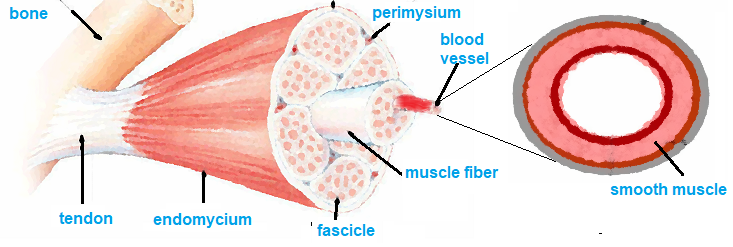
Many of the participants in the KGK study had chronic shoulder pain, presumably in the trapezius. This is a common site of pain for those who spend a lot of time at the key board. The following is a brief review of the literature involving vascular changes in trapezius muscle pain. This image was compiled for the reader to conceptualize the trapezius muscle discomfort from repetitive key boarding.
Office workers and other who spend a lot of time at a key board may experience trapezius muscle discomfort
Right handed female office workers, with and without chronic pain in the trapezius muscle, were asked to perform tasks such as typing and mousing. The main finding of this study was that 1 h of combined workstation tasks resulted in decreased oxygen saturation and blood flow in the upper, middle, and lower trapezius (21). Oxygen saturation was significantly lower in the trapezius myalgia cases compared to the control group (p = 0.027). Blood flow of the upper trapezius on the right side was significantly lower than the blood flow on the left side (p = 0.026).
Blood flow in female and male patients diagnosed with trapezius myalgia were compared with healthy controls. The right and left trapezius muscles of all individuals were examined simultaneously with laser-Doppler flowmetry (LDF) and surface EMG during a fatiguing series of step-wise-increased contractions. Duration was for 1 min with 1 min rest in between. (22). Trapezius myalgia patients showed significantly lower blood flow in the painful side with low contraction frequencies.
Another office worker trapezius myalgia study showed pain in the active side correlated positively with blood flux in the pain-afflicted subjects and negatively in the reference group. This study showed that pain is associated with trapezius vasodilation but not with muscle activity (23). This study came to the conclusion that interaction between blood vessels and nociceptors may be important in the activation of muscle nociceptors in people with chronic shoulder and neck pain (23).
Metabolic substances and trapezius blood flow were measured in female office workers with and without chronic pain over the course of an eight hour day (Larsson 2008). Increased concentrations of glutamate and pyruvate were seen in the pain group compared to the controls. Increased blood flow was seen in the trapezius pain group (24).
Office workers with trapezius myalgia were compared with pain free office workers performing repetitive “peg board†and a stress task. Insufficient muscle blood flow and oxygenation were proposed to account for the higher lactate, pyruvate and pain responses among myalgia suffers versus controls (25).
A study sought to compare blood flow and oxygen saturation with trapezius and extensor carpi radius muscle fatigue in workers with and without work related muscle pain (26). While fatigue in response to repetitive tasks occurred earlier in the pain group, no changes were seen in hemodynamics and blood oxygen saturation between the control and he pain group (26). These authors that a central, rather than a peripheral, mechanism accounted for the early fatigue.
Conclusion
Much information exists on the role of nitric oxide, blood flow, and discomfort in muscle groups that do not receive adequate blood flow. The role of copper supplements in mitigating muscle discomfort due to inadequate blood flow deserves follow up in a better controlled study. See study results for tasks that became less uncomfortable with the group on Cu(I)NA2.
References
Salviati L, Hernandez-Rosa E, Walker WF et al. Copper supplementation restores cytochrome c oxidase activity in cultured cells from patients with SCO2 mutations. Biochem J 2002;363:321-7.
Zhang Z, Tsukikawa M, Peng M et al. Primary respiratory chain disease causes tissue-specific dysregulation of the global transcriptome and nutrient-sensing signaling network. PLoS One 2013;8:e69282.
DiMauro S, Schon EA. Mitochondrial respiratory-chain diseases. N Engl J Med 2003;348:2656-68.
Gracely RH, Petzke F, Wolf JM, Clauw DJ. Functional magnetic resonance imaging evidence of augmented pain processing in fibromyalgia. Arthritis Rheum 2002;46:1333-43.
Cook DB, Lange G, Ciccone DS, Liu WC, Steffener J, Natelson BH. Functional imaging of pain in patients with primary fibromyalgia. J Rheumatol 2004;31:364-78.
Navarro A, Boveris A. The mitochondrial energy transduction system and the aging process. Am J Physiol Cell Physiol 2007;292:C670-C686.
Cobine PA, Pierrel F, Bestwick ML, Winge DR. Mitochondrial matrix copper complex used in metallation of cytochrome oxidase and superoxide dismutase. J Biol Chem 2006;281:36552-9.
Jaksch M, Paret C, Stucka R et al. Cytochrome c oxidase deficiency due to mutations in SCO2, encoding a mitochondrial copper-binding protein, is rescued by copper in human myoblasts. Hum Mol Genet 2001;10:3025-35
Duncan C, White AR. Copper complexes as therapeutic agents. Metallomics 2012;4:127-38.
Leary SC, Winge DR, Cobine PA. “Pulling the plug” on cellular copper: the role of mitochondria in copper export. Biochim Biophys Acta 2009;1793:146-53.
Olsen NJ, Park JH. Skeletal muscle abnormalities in patients with fibromyalgia. Am J Med Sci 1998;315:351-8.
Bengtsson A, Henriksson KG. The muscle in fibromyalgia–a review of Swedish studies. J Rheumatol Suppl 1989;19:144-9.
Carlson LA. Nicotinic acid: the broad-spectrum lipid drug. A 50th anniversary review. J Intern Med 2005;258:94-114.
Depeint F, Bruce WR, Shangari N, Mehta R, O’Brien PJ. Mitochondrial function and toxicity: role of B vitamins on the one-carbon transfer pathways. Chem Biol Interact 2006;163:113-32.
Hageman GJ, Stierum RH. Niacin, poly(ADP-ribose) polymerase-1 and genomic stability. Mutat Res 2001;475:45-56.
Wimalawansa S J. Nitric oxide: new evidence for novel therapeutic indications Expert Opinion on Pharmacotherapy 2008. 9(11):1935-1954 Link
Schuschke DA, Percival SS, Saari JT, Miller FN.(1999) Relationship between dietary copper concentration and acetylcholine-induced vasodilation in the microcirculation of rats. Biofactors. 10(4):321-7.
Schuschke DA, Saari JT, Miller FN.(1995)A role for dietary copper in nitric oxide-mediated vasodilation.Microcirculation. 1995 Dec;2(4):371-6.
Falcone JC, Lominadze D, Johnson WT, Schuschke DA.(2008) Endothelial cell-derived nitric oxide mobilization is attenuated in copper-deficient rats. Appl Physiol Nutr Metab. 33(6):1073-8.
Qin Z, Gongora MC, Ozumi K, Itoh S, Akram K, Ushio-Fukai M, Harrison DG, Fukai T. (2008) Role of Menkes ATPase in angiotensin II-induced hypertension: a key modulator for extracellular superoxide dismutase function. Hypertension.52(5):945-51.
Cagnie B, Dhooge F, Van Akeleyen J, Cools A, Cambier D, Danneels L.(2012) Changes in microcirculation of the trapezius muscle during a prolonged computer task. Eur J Appl Physiol.112(9):3305-12
Larsson R, Oberg PA, Larsson SE(1999) Changes of trapezius muscle blood flow and electromyography in chronic neck pain due to trapezius myalgia. Pain. 79(1):45-50.
Strøm V, Røe C, Knardahl S.(2009) Work-induced pain, trapezius blood flux, and muscle activity in workers with chronic shoulder and neck pain. Pain.144(1-2):147-55.
Larsson B, Rosendal L, Kristiansen J, Sjøgaard G, Søgaard K, Ghafouri B, Abdiu A, Kjaer M, Gerdle B.(2008) Responses of algesic and metabolic substances to 8 h of repetitive manual work in myalgic human trapezius muscle. Pain. 140(3):479-90.
Sjøgaard G1, Rosendal L, Kristiansen J, Blangsted AK, Skotte J, Larsson B, Gerdle B, Saltin B, Søgaard K.(2009) Muscle oxygenation and glycolysis in females with trapezius myalgia during stress and repetitive work using microdialysis and NIRS. Eur J Appl Physiol. 108(4):657-69
Elcadi GH, Forsman M, Hallman DM, Aasa U, Fahlstrom M, Crenshaw AG3.(2014) Oxygenation and hemodynamics do not underlie early muscle fatigue for patients with work-related muscle pain. PLoS One. 2014 Apr 22;9(4):e95582
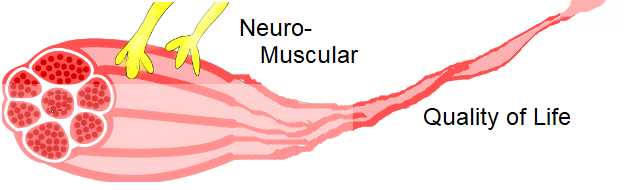
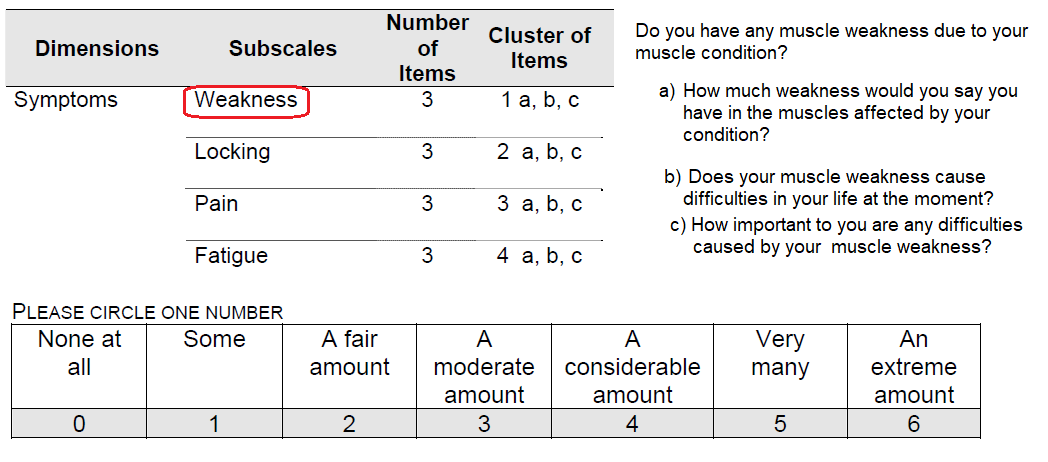
KGK Synergize, “The primary objective of this study was to determine the effect of treatment on quality of life using the INQoL. The INQoL is a muscle-disease specific QoL questionnaire devised of 45 questions sub-divided into 12 sub-domains. Four of the sub-domains focus on the impact of muscle disease symptoms such as weakness, locking, pain, and fatigue, 5 look at the impact of the disease on various life domains such as activities, independence, social relationships, emotions and body image, and the treatment effects sub-domain focuses on the positive and negative effects of perceived treatment and expected treatment effects. A final section looks at the overall effect of the condition on QoL which is a compilation of scores on questions from the activities, independence, social relationships, emotions and body image subscores. This questionnaire has previously been validated in European and American muscle disease patient populationsâ€
KGK Synergize “In conclusion, although there were no significant differences between participants supplemented with Cunermuspir (Cu(I)NA2)or placebo in the Quality of Life assessed by the Individualized Neuromuscular Quality of Life Questionnaire, participants on Cunermuspir reported a significant 34% reduction in Fatigue, 26% improvement in muscle locking, and a 15% reduction in pain from baseline to end of treatment. In contrast, subjects on placebo reported a 12% increase in Fatigue. It is noteworthy, that participants on Cunermuspir (Cu(I)NA2) showed a 46% improvement in Fatigue over participants on placebo. It is possible that the within group significance in the INQoL Quality of Life may have reached between group significance with a larger sample size and a longer period of supplementation.
Let us take a look at the symptoms module with four subdomains
Weakness is just one of four symptoms. ” By weakness we mean any weakness in your legs, arms and hands or in any other muscles. For example, your face, eyes, swallowing, breathing or bladder and bowel control may be affected.” With this test, the lower the score, the lower the impact.
KGK Synergize “In conclusion, although there were no significant differences between participants supplemented with Cunermuspir or placebo in the Quality of Life assessed by the Individualized Neuromuscular Quality of Life Questionnaire, participants on Cunermuspir reported a significant 34% reduction in Fatigue, 26% improvement in muscle locking, and a 15% reduction in pain from baseline to end of treatment. In contrast, subjects on placebo reported a 12% increase in Fatigue. It is noteworthy, that participants on Cunermuspir showed a 46% improvement in Fatigue over participants on placebo. It is possible that the within group significance in the INQoL Quality of Life may have reached between group significance with a larger sample size and a longer period of supplementation.
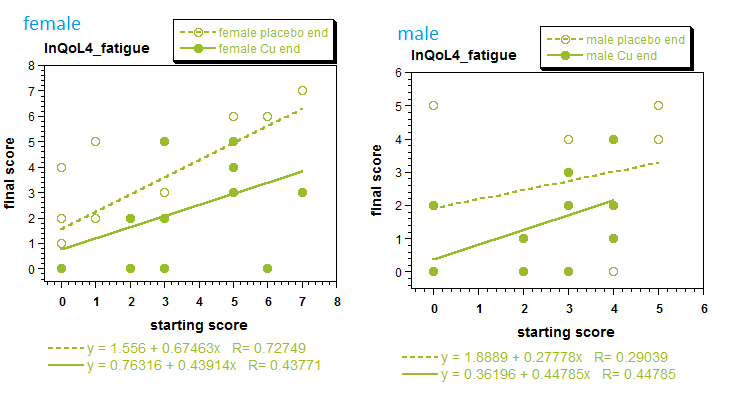
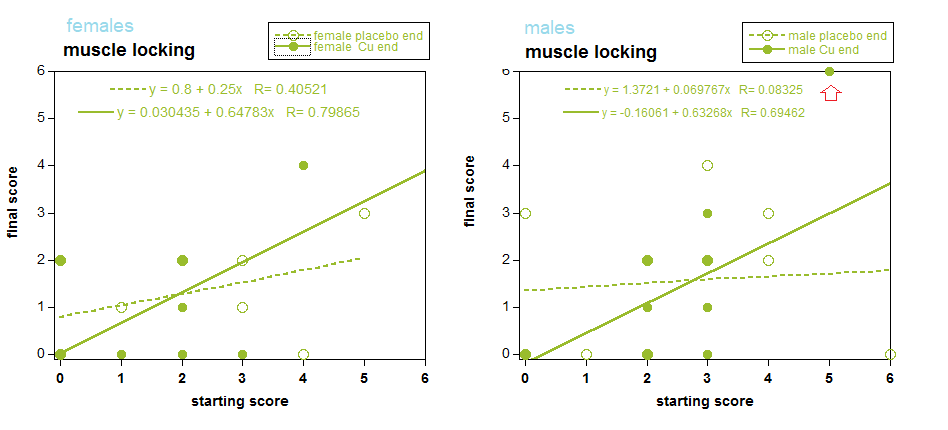
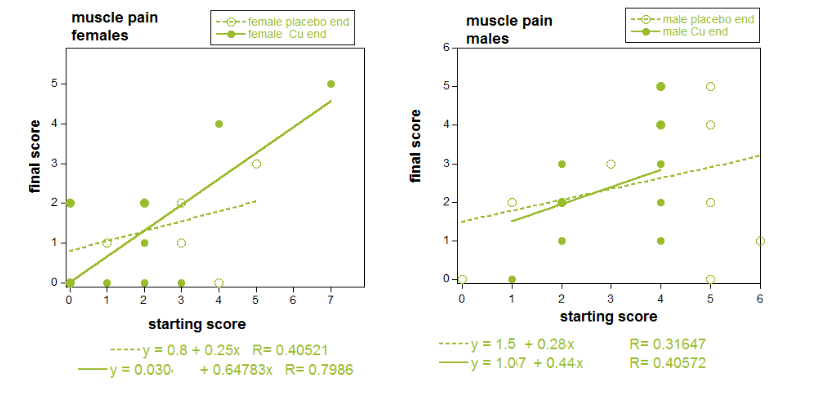
The Mitosynergy adage that those that start the copper in a bad state improve the most did not seem to hold true for INQoL reported fatigue.  The final scores in the INQoL questionnaire were plotted as a function of starting scores. The slopes of these lines were calculated using the Kaleidograph software (Senergy Software Inc).
Fatigue
One participant had neuromuscular pain in right thigh and calf. Another participant had pain the right shoulder and arm. Sciatica was a common complaint. One participant had “muscle aches and stabbing/shooting pains in the upper body.†A major flaw in my opinion is that the questionnaire never defined “fatigue. “Muscle fatigue†can be defined as the decline in ability of a muscle to generate force. This decline may be due to a defect in the nerve that tells the muscle to contract and or to a defect tin the contractile apparatus in the muscle fiber itself. We have no way of knowing how the participants defined pain when they answered the questions.  It was likely to have been different from the physiologist contributor to Wikipedia. The task in which the “fatigue†was experienced was also never defined. Did the person experiencing pain in the right calf and thigh have muscles that simply ceased to contract after prolonged walks? If the copper helped, did the walks last longer before the fatigue set in?
INQoL pain results for fatigue Mitosynergy’s Day 28 pain index as a function of starting pain index.
These data, with a very diverse “neuromuscular pain” study group, represent an unbiased sampling of what Mitosynergy has observed anecdotally. Two of the three males who started the study with a fatigue score of 4 improved considerably. Three of the females on Cu(I) started the study with some level of “fatigue” ended the study with a fatigue score of 0. Many in the placebo group had less fatigue at the end of the study.
Fatigue is listed as a symptom of COVID-19 in some studies and reviews (Li 2020) and not others (Lechien 2020). The ACE2 enzyme/COID-19 receptor is expressed in skeletal muscle and the adrenal gland (Li 2020). Takeshita and coauthors (2020) compared grip strength and running distance of wild type mice and mice in which the gene that codes for ACE2 had been knocked out. Lack of functional ACE2 enzyme decreased grip strength and running distance. Some of this was reversed by injection of he ACE2 product, angiotensin 1-7. It would be interesting to quantify COVID-19 related fatigue in some sort of metric like “grip strength” and/or amount of walking before feeling tired.
Muscle locking
It is not certain if muscle locking is the same thing as muscle cramps, a site created by the WikiMecine Protect. Muscle cramps are usually defined by involuntary contraction of skeletal or smooth muscle. They may originate from any component of actin-myosin cross bridge cycling from reuptake of calcium by the sarcoplasmic reticulum to generation of ATP that is needed to release rigor states.
INQoL muscle locking results for Mitosynergy’s Day 28 pain index as a function of starting pain index.
Pain
Pain may be defined on multiple levels from the site of injury to the central nervous system. The reader may get a good overview of the many components of pain from this well refereed and referenced Wikipedia article. In this particular study, the operative word is “Myalgia“ translating as pain in one or more muscles.  At the undertaking of this study, myalgia was one of many symptoms of the chronic condition fibromyalgia. The study planners were unable to recruit enough fibromyalgia patients so general neuromuscular pain was allowed as a criterion for acceptance.
INQoL pain results for Mitosynergy’s Day 28 pain index as a function of starting pain index. Cu = Cu(I)NA2
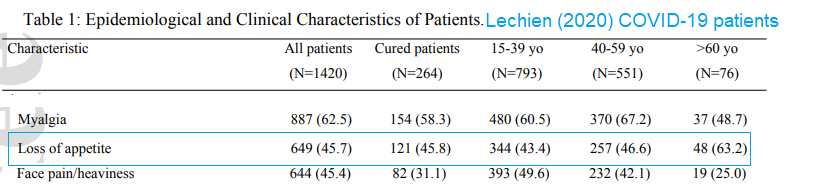
Myalgia was found in about 62.5% in all mild to moderate COVID-19 patients (Lechien 2020). These authors published a figure suggesting a link between fever (> 38oC, 45.4%) and myalgia. Interestingly, fatigue was not listed as one of the symptoms in this cohort of over 1000 individuals.
Select symptoms Lechien (2020) observed in mild to moderate European COVID-19 patients. Loss of appetite might be an argument to use Cu(I)NA2  as a medical food because the patient may not be getting adequate copper in his/her diet alone. It was not clear if face pain involves facial muscles.
Li and coauthors (2020) examined issue specific, mRNA and protein, public access data bases. The ACE2 enzyme/COVID-19 receptor was found in heart and skeletal muscle. The heart is also a site of injury in COVID-19 infections. Sławiński and Lewicka (2020) discuss Coagulation pathway dysregulation, cytokine storms due to immune system pathway dysregulation, and cardiac troponin T in the blood. The latter suggests direct injury to the cardiac myocytes, perhaps due to expression of ACE2 enzyme/receptor on cardiac myocytes.
Myalgia stories from medical doctors with COVID-19
Dr David Hepburn of the NHS describes COVID-19 muscle pain in this YouTube video describes aching muscles and aching bones. Michael Saag of the University of Alabama describes his describes muscle aches and pain everywhere in his YouTube video.
Going forward
KGK Synergize did a good job of provided unbiased, but only acedoctal suggestions, that Cu(I)NA2  improves myalgia, muscle locking, and fatigue in a very diverse population. How do we go forward with a more defined population who might be experiencing similar symptoms.  Mitosynergy already has anecdotal reports of fever reduction of COVID-19 patients taking Cu(I)NA2. Not everyone in the household who is infected with COVID-19 takes the Cu(I)NA2. While COVID-19 symptoms vary widely, these individuals might be eating similar diets. How might the grip test or the running wheel tests of Takeshita (2018) be adapted to a mild to moderate COVID-19 patient quarantined in his or her home?
Everyone has some heavy object that can be held with one hand. This object might be a gallon of milk or a suitcase of stored items.
Many COVID-20 patients report feeling exhausted walking to the bathroom. Patients on the Cu(I)NA2  and skeptical housemates may record distances they may walk about their homes before feeling fatigued.
Ideally data would be collected a day or two before starting the Cu(I)NA2 .
References
Lechien JR, Chiesa-Estomba CM, Place S, Van Laethem Y, Cabaraux P, Mat Q, Huet K, Plzak J, Horoi M, Hans S, Barillari MR, Cammaroto G, Fakhry N, Martiny D, Ayad T, Jouffe L, Hopkins C, Saussez S; COVID-19 Task Force of YO-IFOS.(2020)Clinical and Epidemiological Characteristics of 1,420 European Patients with mild-to-moderate Coronavirus Disease 2019.J Intern Med. 2020 Apr 30. [CrossRef]
Li MY, Li L, Zhang Y, Wang XS.(2020) Expression of the SARS-CoV-2 cell receptor gene ACE2 in a wide variety of human tissues. Infect Dis Poverty. 2020 Apr 28;9(1):45. [PMC free article]
Sławiński G, Lewicka E.(2020)What should a cardiologist know about coronavirus disease 2019? Kardiol Pol. 2020 Apr 24;78(4):278-283. [Cross Ref]
Takeshita H, Yamamoto K, Nozato S, Takeda M, Fukada SI, Inagaki T, Tsuchimochi H, Shirai M, Nozato Y, Fujimoto T, Imaizumi Y, Yokoyama S, Nagasawa M, Hamano G, Hongyo K, Kawai T, Hanasaki-Yamamoto H, Takeda S, Takahashi T, Akasaka H, Itoh N, Takami Y, Takeya Y, Sugimoto K, Nakagami H, Rakugi H. (2018) Angiotensin-converting enzyme 2 deficiency accelerates and angiotensin 1-7 restores age-related muscle weakness in mice. J Cachexia Sarcopenia Muscle. 2018 Oct;9(5):975-986 [PMC free article]
This post was originally published in May of 2020 with password protection. We have since published these results on clinicaltrials.gov. While these data have not been peer reviewed for mechanisms of action and so forth, they have undergone rigorous examination by clinicaltrials.gov for consistency and the general safety measures. We’d like to thank KGK Synergize for assisting us in reexamining the data with a linear regression model. This “SIQR” questionnaire proved to be valuable . The limitations of small sample sizes when it come to making medical claims will be apparent. We encourage you to show your physician these data and ask if they think you should try CopperOne.If nothing else, it is safe.
KGK Synergize “The SIQR is a variant of the Revised Fibromyalgia Impact Questionnaire (FIQR)[1] used to assess the overall impact and severity of a disease condition on one’s life. The SIQR is divided into 3 domains which includes sections on: 1) the effect of the medical condition on the participant’s ability to perform daily activities; 2) the overall impact of the participant’s medical problems; and 3) the intensity of symptoms (pain, fatigue, tenderness, sleep, etc.) [1]. For this questionnaire, lower scores means less symptoms and consequently better health.”
“Cunermuspir (Cu(I)NA2) outperformed placebo in the total SIQR score, all of the SIQR subscores and the stiffness scale at day 28, as revealed by the ANCOVA analyses. Although not significant, Cunermuspir supplementation also showed a trend towards a significantly better pain score as compared to placebo (p=0.08).”
“Significant within group reductions for each SIQR subscore were seen with Cunermuspir supplementation. In fact, 40% reductions in the total SIQR score and 51%, 65% and 29% reductions in function, overall impact of medical problems and symptoms intensity subscores, respectively were seen with Cunermuspir supplementation, as compared to only 9%, 33% and 14% decreases in the placebo group. Statistical analyses of the individual rating scales revealed significant reductions of 34% and 35% from baseline in the pain and stiffness scores with Cunermuspir supplementation.”
Unlike the INQoL questions, SIQR were short and explicit. Some research on copper and blood flow to muscles inspired a new way of analyzing the data that was performed with the help of a statistician from KGK Synergize. It is the secondary outcome measures that saved theday.
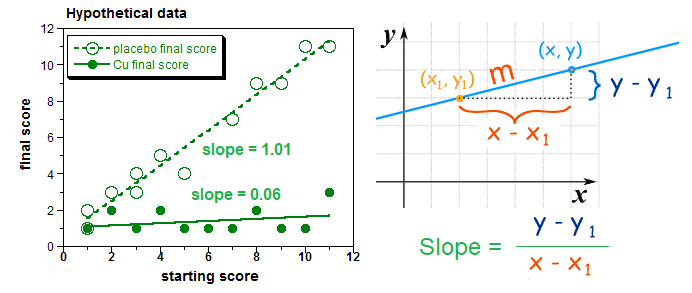
Final scores on each question were plotted as a function of the starting score.
Statstodoc was used to compare the regressions of the two lines: Placebo Group and Cu Group.
Males and Females were split in the analyses of these data. As the whimsical cartoons will illustrate, these questions have gender bias.
Hypothetical data
If everyone in the study finished the study with the same score as they started it, the slope would be 1.0. If participants started with a wide range of symptom impact but finished the study with a “almost no impact” score of 0, the slope would be very close to 0.
Difficulties with tasks requiring muscles
The SIQR questionnaire contains many gender bias questions. Cartoons are added to get the reader to really think about how males and females may perform a task differently. When significant differences are observed, we gain insight on how may be acting that is Cu(I)NA2 acting on NMDA receptors.
Discomfort while sitting
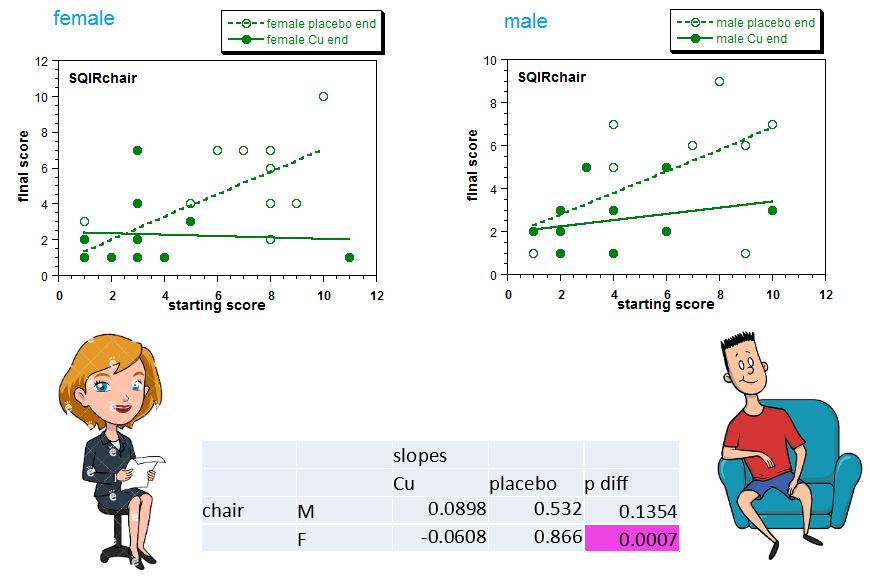
One of the SIQR questions asked if there was discomfort while sitting in a chair for more than 45 minutes. These cartoons remind us that males and females tend to sit differently in chairs.
Do you feel discomfort while sitting in a chair for 45 minutes or more? Responses after taking a placebo or Cu(I)NA2 for 28 days were plotted as a function of starting response. The higher the score, the higher the discomfort.
A slope of 0.866 (dashed line) as well as a Y-axis intercept close to zero indicates that for women in the placebo group had the same issues with chair sitting at the end of the study as they did at the beginning. A slope of -0.0608 suggests a partial but incomplete “cure” While four of the females finished the study with a score of “1”, almost no problem, others still had minor discomfort with prolonged chair sitting.
Discomfort while combing hair
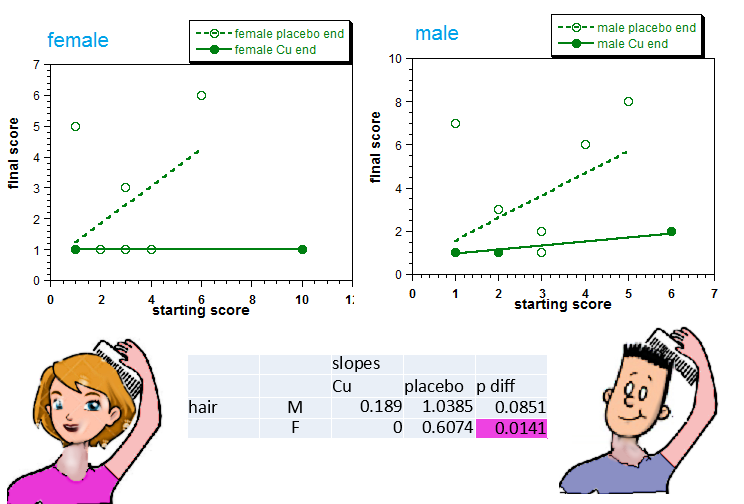
Females tend to have more hair and more elaborate hair styles. Note that hair combing requires use of the trapezius muscle and raising one’s hand above the head
Do you feel discomfort while while combing your hair? Responses after taking a placebo or Cu(I)NA2 for 28 days were plotted as a function of starting response. The higher the score, the higher the discomfort.
Note that the females in the copper group started the study with no problem combing her hair (score of 1) or major problems (score of 10). At the end of the study, no female in the copper group had trouble combing her hair.
Difficulty lifting grocery bags
This question may be interpreted in many ways. Does lifting grocery bags from the ground or from the check out counter? Either way, the trapezius muscle may be involved for the males and females.
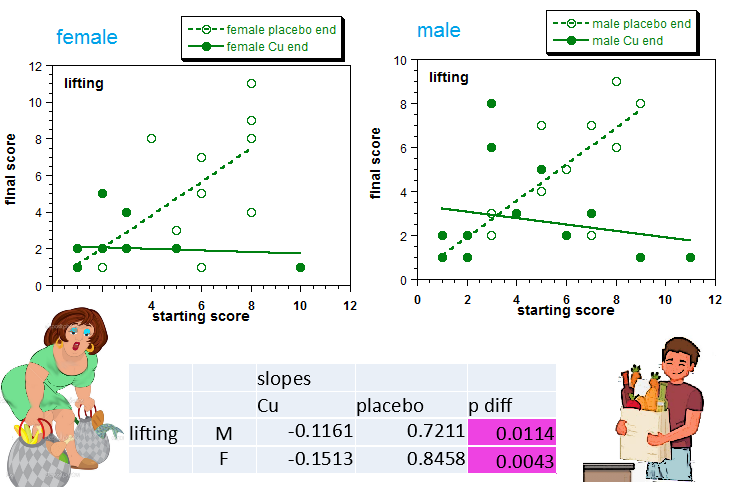
Do you feel discomfort while while lifting grocery bags? Responses after taking a placebo or Cu(I)NA2 for 28 days were plotted as a function of starting response. The higher the score, the higher the discomfort.
These data are nice because both the Cu(I)NA2 and the placebo groups, males and females, started the study with a wide range of scores. The probability that the slopes of these regression lines are different (p diff) is highly significant for both males (p=0.011) and females (p = 0.0043).
Difficulty changing bed sheets
This study lasted only 28 days during the winter, in Canada. In this case we have both gender and seasonal bias. Do males in the winter, in Canada or cold parts of the rest of the world even wash and change sheets more than once a month?
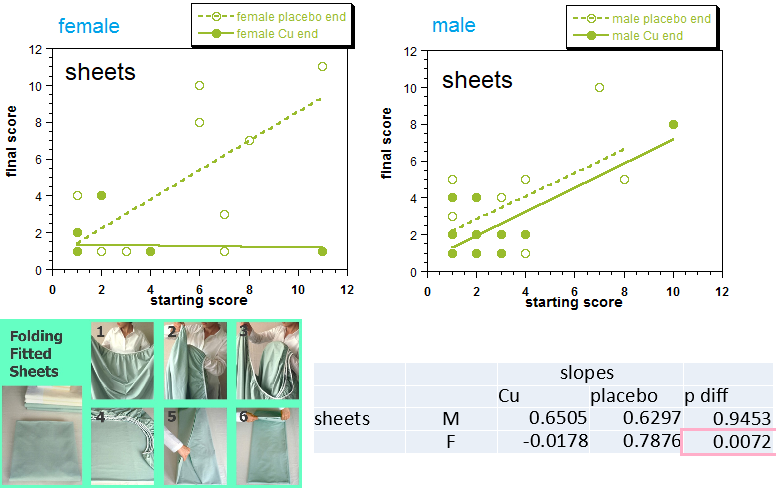
Do you experience difficulty changing bed sheets? Responses after taking a placebo or Cu(I)NA2 for 28 days were plotted as a function of starting response. The higher the score, the higher the discomfort.
Unfortunately only one of the females in the Cu(I)NA2 group started the study with troubles folding sheets. She was “curedâ€. While the improvement may be significant at p=0.007, we cannot conclude any based on one individual. These results are promising and point to a theme of increased upper body muscle function.
Discomfort while vacuuming
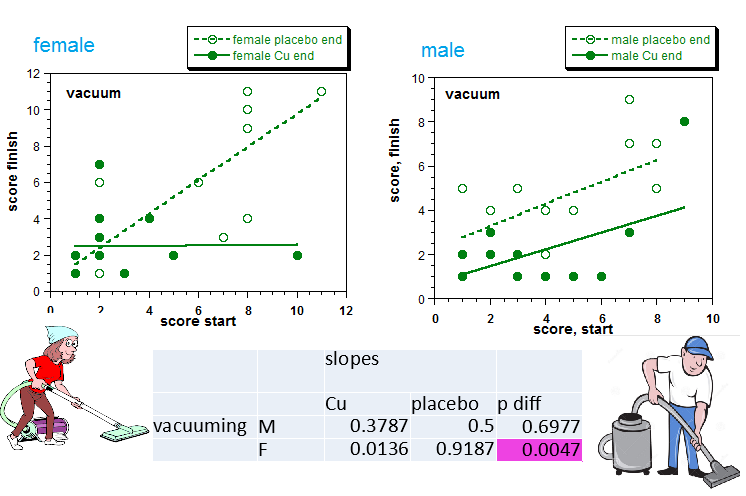
Vacuuming would seem to be an upper body , particularly back intensive activity. The highly significant difference in slopes between the placebo and Cu(I)NA2 groups of women is due to one woman who had massive problems and was almost “cured†along with a bunch in the placebo group that more or less remained the same. The male Cu(I)NA2 group would have fared much better statistically were it not for one male who started out with a score of 9 and only improved to a 8. Overall, the Cu(I)NA2 seems to help.
Do you feel discomfort while vacuuming? Responses after taking a placebo or Cu(I)NA2 for 28 days were plotted as a function of starting response. The higher the score, the higher the discomfort.
Discomfort or difficulty climbing stairs
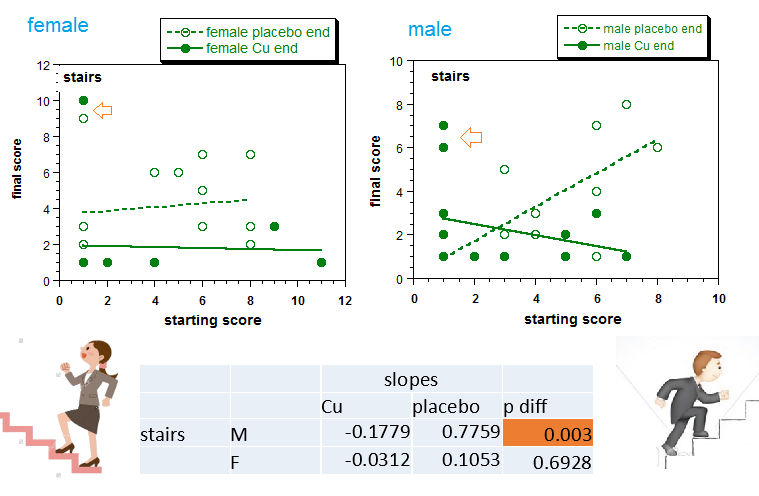
All three of the women on Cu(I)NA2 who started the study with stair climbing issues had a final score of 1, no difficulty. . Many of the women in the placebo group who started the study with stair climbing issues ended the study less impaired. The men were a different situation. Note that there were two men on Cu(I)NA2 that started the study with no stair climbing issues ended the study with moderate issues with stair climbing. And the usual caveats of a small study group
Do you feel discomfort while climbing stairs? Responses after taking a placebo or Cu(I)NA2 for 28 days were plotted as a function of starting response. The higher the score, the higher the discomfort.
Orange arrows point to the participant who started out with no stair climbing discomfort that developed problems at the end of the study.
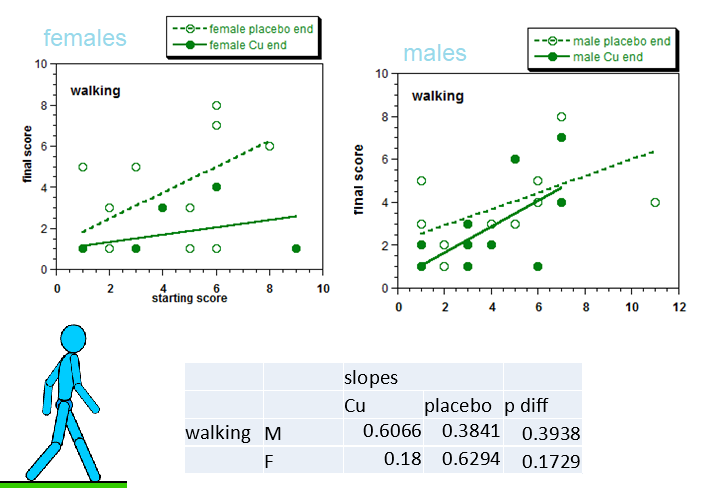
Discomfort or difficulty walking more than 20 minutes
No statistical differences between Cu(I)NA2 and placebo groups was seen. There is some hint that Cu(I)NA2 improved the ability to walk for long period of time in women more severely compromised at the start. The emerging trend is that Cu(I)NA2 improves activities involving upper body muscles. However, this walking animation suggests waking involves considerable should motion.
Do you feel discomfort while walking more than 20 minutes? Responses after taking a placebo or Cu(I)NA2 for 28 days were plotted as a function of starting response. The higher the score, the higher the discomfort
Difficulties with emotional aspects of life
Anxiety
No significance between Cu(I)NA2 and the placebo was seen in the SIQR parameter. Many amine oxidases use copper as a co factor. This may be addressed in a later post.
Depression
No significance between Cu(I)NA2 and the placebo was seen in the SIQR parameter. Many amine oxidases use copper as a co factor. This may be addressed in a later post.
Energy
No significance between Cu(I)NA2 and the pacebo was seen in the SIQR parameter. Unfortunately, the SIQR did not give a rigorous definition of energy. Energy could mean emotional motivation to do work or physical ability to do work. And if the latter, physical work involving which muscle groups?
Cooking a home cooked meal…
No significance between Cu(I)NA2 and the placebo was seen in the SIQR parameter. Aside from the gender bias, cooking a home cooked meal has emotional aspects of planning and execution as well as the prolonged periods of standing and upper body motions of hands, arms, and shoulders.
Goals
Does my medical condition prevent me from reaching my goals? The data (not shown) suggest an empowering affect of participating in a clinical trial. No significance between Cu(I)NA2 and the placebo was seen in the SIQR
Overwhelmed
Are you overwhelmed by your neuromuscular problem? This one seems to be mostly psychological. There is no improvement in the Cu(I)NA2 groups relative to the placebo groups. Judging by the slopes of the lines, there is a placebo affect. Perhaps just being in a clinical trial empowered some of the participants.
Other discomforts that easily classified
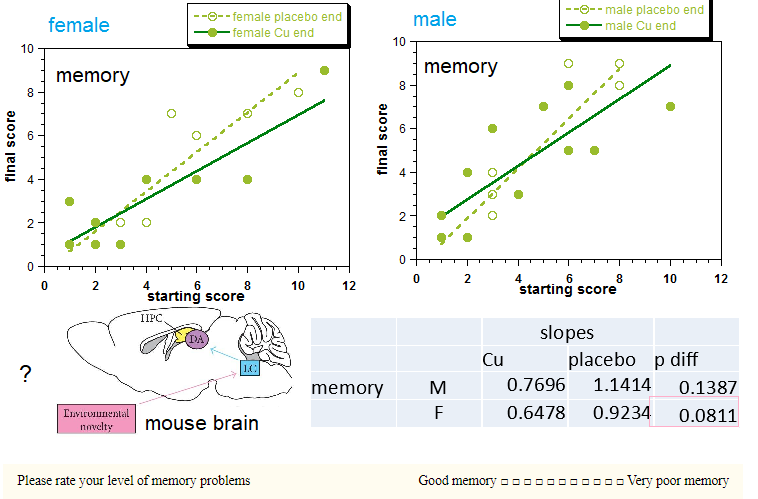
Memory
All of the slopes of these regressions are close to 1.0 indicating no change in the status.
Rate your level of memory problems. Responses after taking a placebo or Cu(I)NA2 for 28 days were plotted as a function of starting response. The higher the score, the bigger the problem
While there is slight indication that improved memory in female participants in this regression model, it does not meet the threshold of p<0.05 level of significance. The role of the copper rich locus ceruleus in acquiring novel memories in mice might be addressed in a later post [2]. We cannot even speculate in this small study group. Future work might hone in on questions that address the role of the locus ceruleus in acquiring novel memories.
Sleep
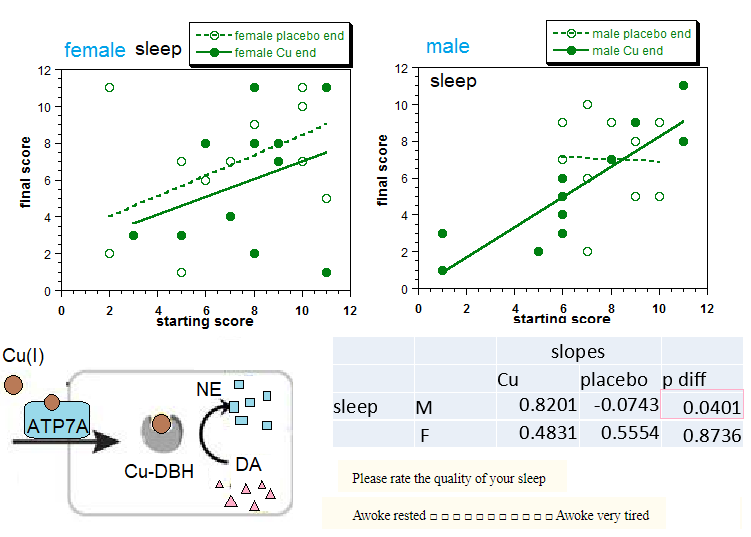
It is beyond the scope of this post to get into the locus ceruleus, copper contianing enzyme dopamine beta-hydroxylase that cleaves dopamine to norepinephrine, and circadian rhythms. It is worth remembering that this clinical trial was conducted during a Canadian winter. Were these participants experiencing seasonal affective disorder?
Do you awake feeling rested? Responses after taking a placebo or Cu(I)NA2 for 28 days were plotted as a function of starting response. The higher the score, the higher the discomfort. Bottom left: ATP7A loads Cu+ into synaptic vesicles loaded with dopamine beta-hydrolase (DBH) that converts dopamine (DA) to norepinephrine (NE), from ref [3]
The males in the Cu(I)NA2 group more or less stayed the same. The males in the placebo group seem to have gotten a little worse. Mitosynergy considers these results interesting but inconclusive. This could be an avenue of future study once we have a better understanding of sopper in the locus ceruleus and circadian rhythms,
Tenderness
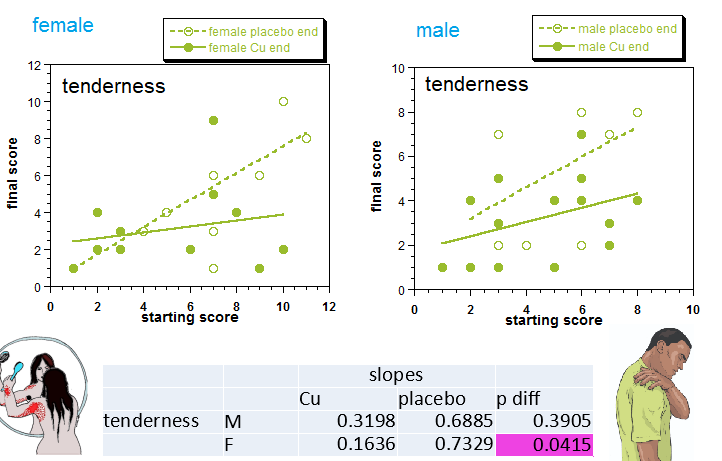
Tenderness may be defined as increased pain threshold upon touching. There is a significance difference (p=0.0415) in the slopes of Cu(I) and placebo groups of women but not men. Perhaps this has to do with inflamed fascia, the sacks that muscle fibers reside in along with nerves. There could be a relationship with hair combing.
Are certain parts of your body tender to the touch? Responses after taking a placebo or Cu(I)NA2 for 28 days were plotted as a function of starting response. The higher the score, the higher the discomfort
Stiffness
Stiffness was not influenced by Cu(I)NA2 treatment in men or women. The survey question did not specify the site of muscle stiffness. ATP is required for skeletal muscle to relax. When an animal dies, ATP production stops. Myosin is bond to actin in what are called rigor cross bridges. They were named after rigor mortis. Stiffness could also be due to failure to secure calcium back into the sacroplasmic reticulum or continued muscle stimulation. Which ever mechanism, Cu(I)NA2 had no influence (data not shown)
Balance
No significance between Cu(I)NA2 and the placebo was seen in the SIQR parameter. Copper deficiency has been reported as a cause of treatable poor balance in an elderly man [4].
References
Bennett RM, Friend R, Jones KD, Ward R, Han BK, Ross RL.(2009)The Revised Fibromyalgia Impact Questionnaire (FIQR): validation and psychometric properties. Arthritis Res Ther. 2009;11(4):R120. [PMC free article]
Yamasaki M, Takeuchi T (2017) Locus Coeruleus and Dopamine-Dependent Memory Consolidation. Neural Plast. 2017;2017:8602690. [PMC free article]
Xiao T, Ackerman CM, Carroll EC, Jia S, Hoagland A, Chan J, Thai B, Liu CS, Isacoff EY, Chang CJ. (2018)Copper regulates rest-activity cycles through the locus coeruleus-norepinephrine system. Nat Chem Biol. 2018 Jul;14(7):655-663. [PMC free article]
Khaleeli Z, Healy DG, Briddon A, Lunn MP, Reilly MM, Land J, Giovannoni G.(2010)Copper deficiency as a treatable cause of poor balance. BMJ. 2010 Apr 12;340:c508. doi: 10.1136/bmj.c508.